Bee swarm removal in Atlanta · UGA Journeyman

Spotted a Swarm of Bees? We’ll Come Get Them

A cluster of bees on a tree, bush, or fence is a honey bee colony looking for a new home. They’re usually gentle, and they won’t stay long. We typically don’t charge for open-air swarm removals.

Spotted a Cluster? Tell Us Where

Usually free · Reply in 1–2 business days in swarm season

What you’re looking at

Swarming Is a Colony Outgrowing Its Home

Swarming happens when a honey bee colony outgrows its current hive. About half the colony leaves with their queen and rests on a tree, bush, or fence near their original home while scout bees decide where to establish the new one.

In Georgia this usually runs March through June. It’s a completely natural occurrence, and honestly an incredible thing to watch, as the colony fills the air and then suddenly clusters together into one large mass of bees.

These bees are typically gentle. They have no brood and no honey stores to defend, which is why a resting swarm is far less defensive than an established hive.
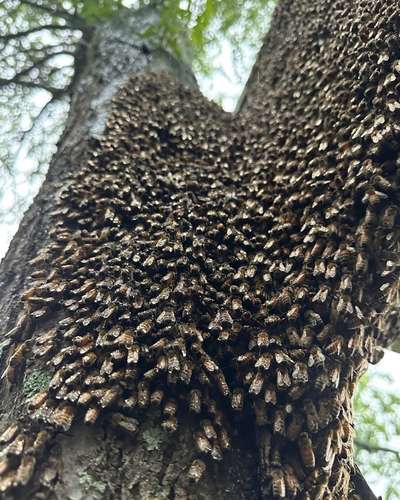
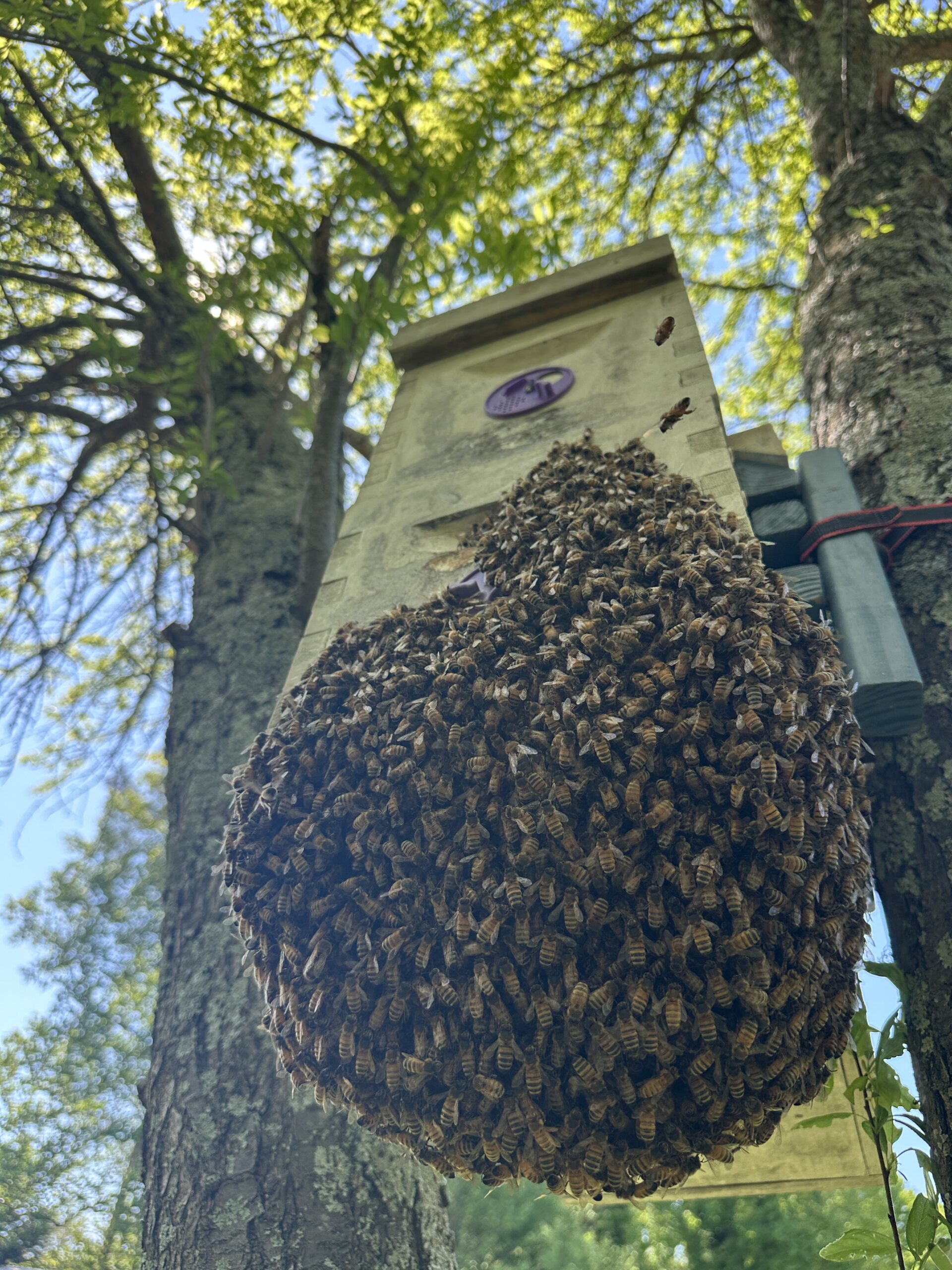
  • An open-air honey bee swarm clustered on a tree branch
  • A honey bee swarm cluster collected on a call around metro Atlanta

If you find one

What to Do With a Swarm

  • Give Them Space

    Keep people and pets back and leave them be. A resting swarm isn’t aggressive, but there’s no reason to crowd it.

  • Don’t Spray Them

    Never hit a swarm with chemicals or a hose. These are healthy honey bees that a beekeeper will gladly take off your hands for free.

  • Call Quickly

    Swarms often move on within a day or two. The sooner you reach us, the better the odds we collect them before they pick somebody’s wall.

Recent swarm calls

What an Open-Air Swarm Looks Like

A few of the clusters we’ve collected around metro Atlanta.
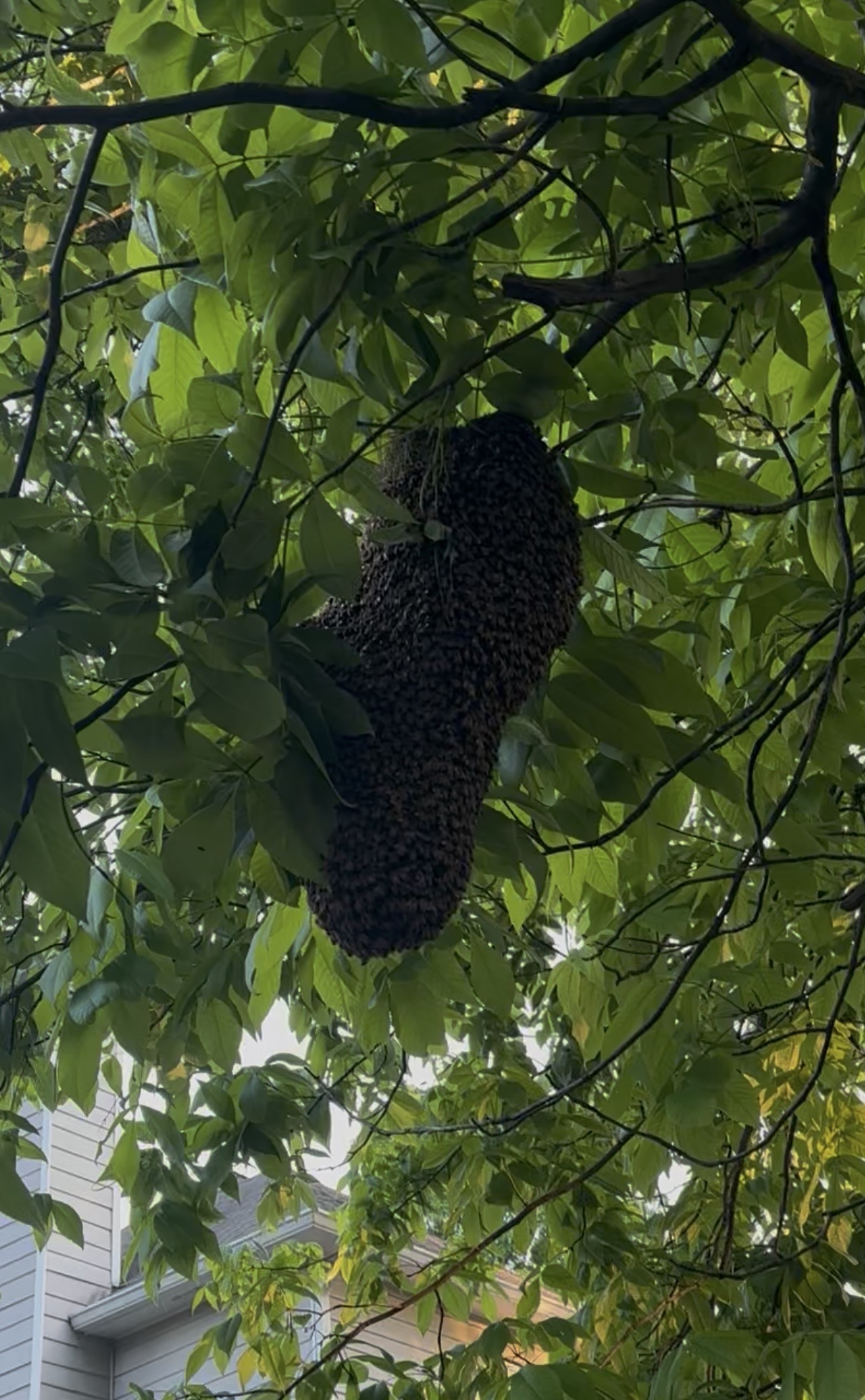
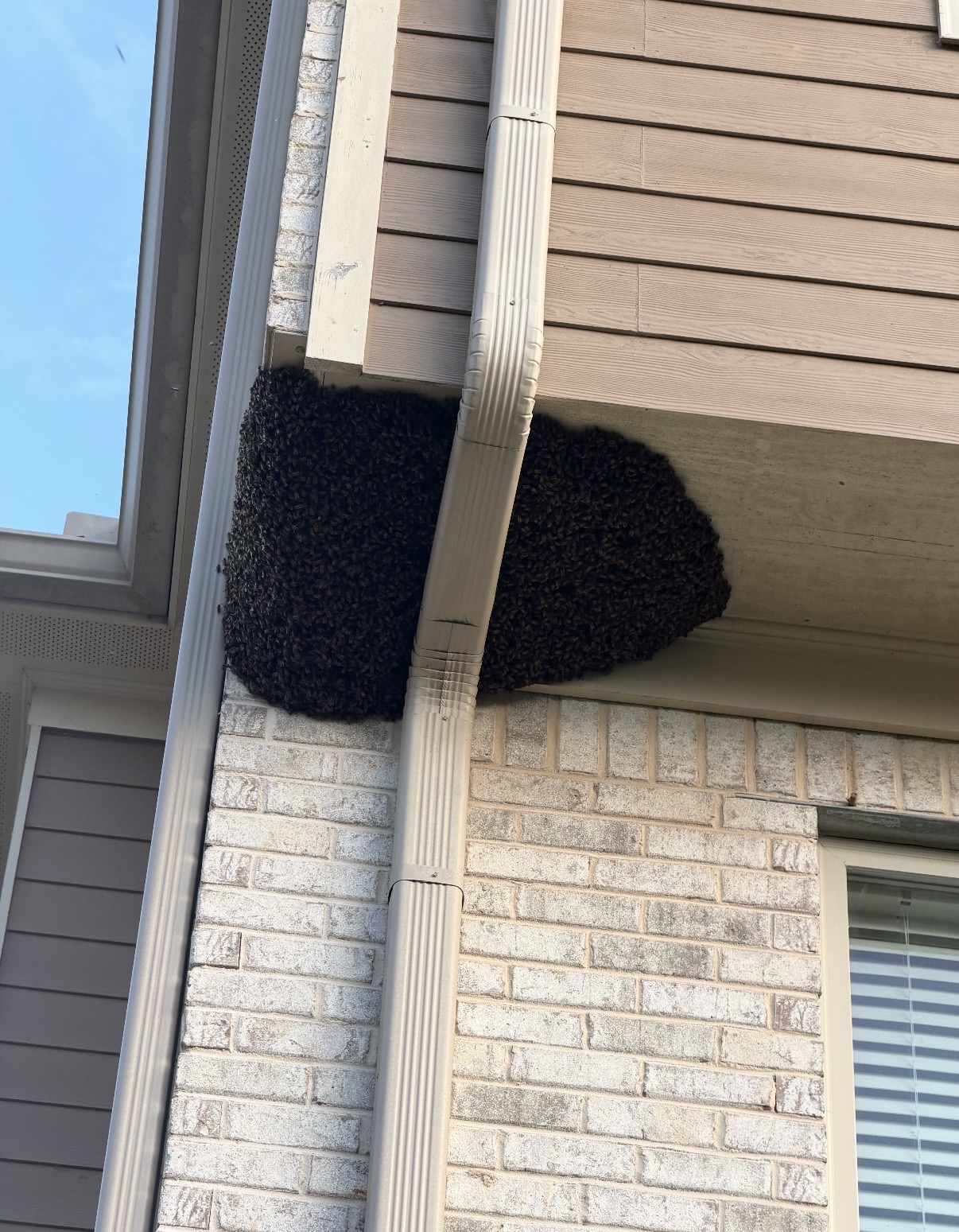
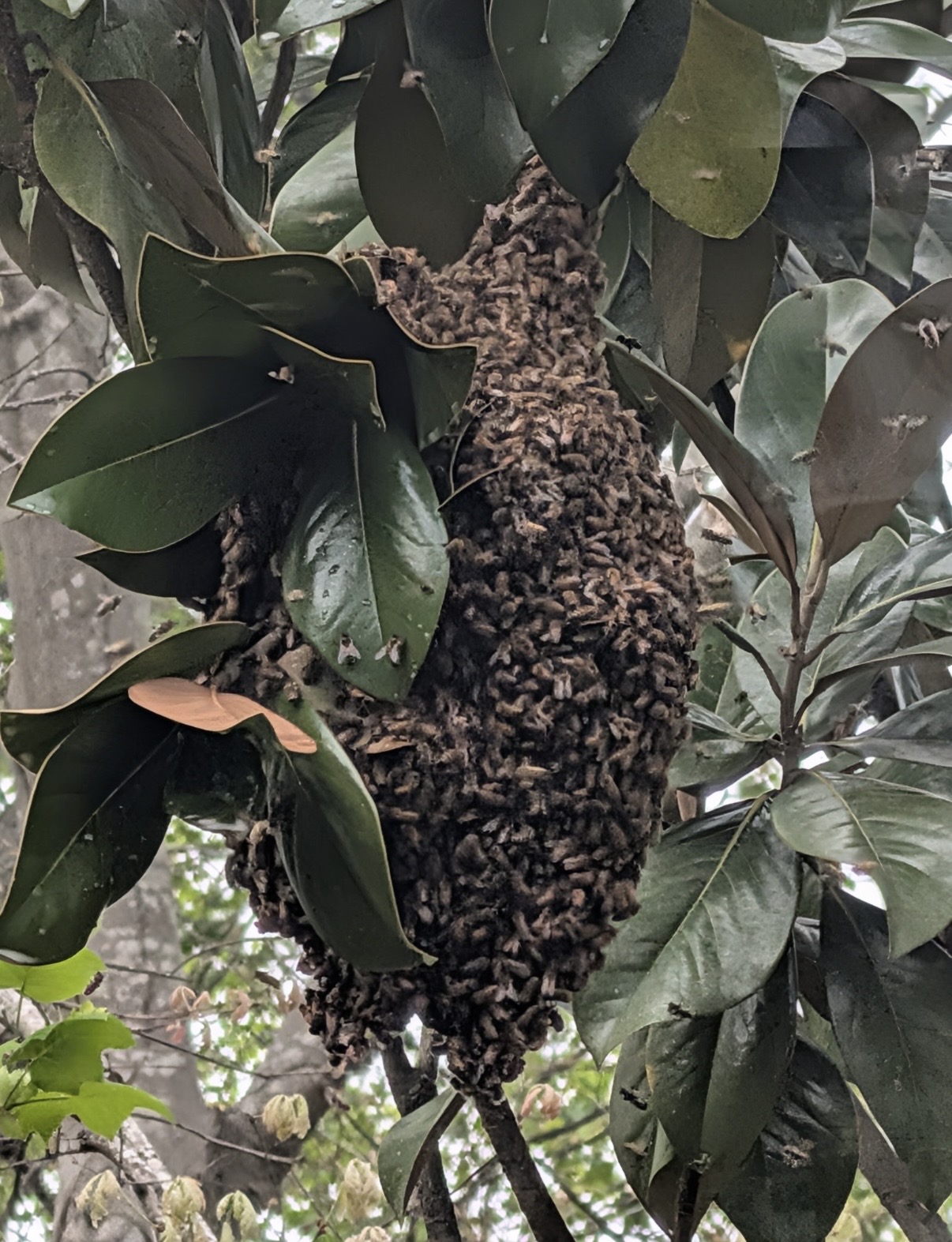
  • A resting honey bee swarm, clustered in the open during a swarm call
  • A large honey bee swarm cluster collected by The Luffman Local around metro Atlanta
  • A hanging honey bee swarm, gentle while it rests between homes
FAQ

Common Questions on Bee Swarms

No, any open air swarms will be removed free of charge.

Swarm season here usually runs March through June, heaviest in spring as colonies build up fast on the early nectar flow.

They're usually gentle. A swarm has no brood or honey stores to protect, so they're far less defensive than an established hive. Still, keep your distance and don't disturb them.

Anywhere from a couple hours to a couple of days, while scouts look for a permanent home. That's why it's worth calling the moment you spot one.

We collect honey bees only. Honey bee swarms form a dense hanging cluster, usually brown and gold. Send a photo and we'll confirm before anyone drives out.

Think you've spotted a swarm?

Contact us for more information if you believe you have spotted a swarm near you. A photo helps us confirm it before we roll out.

Shopping Cart